New year, new surge! As Central Texans navigate peak cedar season and a surge in flu, we are here for you.
With overlapping symptoms such as a stuffy nose, sore throat, fatigue, and cough, distinguishing between these conditions can be challenging. Knowing the differences between allergies and flu can help you understand what to do when you experience symptoms.
Is it cedar fever or flu?
Cedar allergy season typically lasts from December to February, peaking mid-January. Central Texans may begin experiencing a sudden onslaught of severe cedar pollen allergies, or cedar fever during this time. Cedar fever is an allergic reaction to pollen from mountain cedar (also known as juniper) trees common in Central Texas. Although actual fever is rare, it can produce symptoms like the cold or flu.
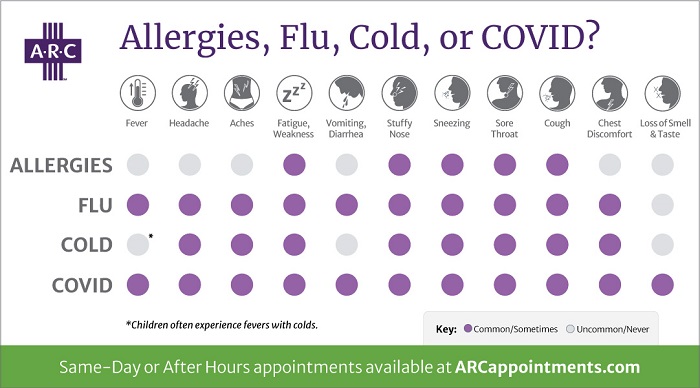
Symptoms that differentiate allergies:
- Itchy throat
- Itchy or runny nose
- Itchy or watery eyes
- Blocked ears
- Sneezing
- Slightly elevated body temperature (but not fever)
Texas is currently reporting "very high" flu activity levels. Flu and allergies can share similar symptoms, making testing crucial for proper identification. If you experience any of the following symptoms, your best line of defense is to test for flu to prevent these viruses from spreading to your loved ones. Rely on your Austin Regional Clinic physician or advanced practice clinician (APC) to advise you on what steps to take.
Flu symptoms can appear more quickly and may involve high fever and body aches.
Symptoms that differentiate the flu:
- More severe
- Can last up to two to three weeks
- High fever
- More intense muscle and body aches
- Severe exhaustion
- Loss of appetite
- Quick onset of symptoms
If you are experiencing symptoms, it's important to talk to your doctor or APC about the best way to manage your symptoms and determine the cause. You may be advised to see a family medicine physician or APC before being referred to an allergy and asthma specialist. Allergy specialists can recommend allergy testing and prescribe medications such as allergy shots or allergy drops to help alleviate your symptoms.
To schedule an appointment with an ARC physician or APC, schedule online, book through ARC MyChart, or call 512-272-4636.