What is bariatric surgery?
Bariatric surgery is a weight-loss procedure that changes the size of your stomach to assist with weight loss, treats complications from obesity — such as joint pain, headaches, and reflux — and reduces the risk of heart attacks and strokes.
If you are 18 and older and have a body mass index (BMI) above 27.5, bariatric surgery could be the right treatment for you.
Obesity affects around 40% of all Americans, increasing the risk of developing heart disease, diabetes, and other chronic conditions.
Meet our bariatric surgery team
Our bariatric surgery team has undergone extensive training, including Si/Xi robotic surgery certification, and Dr. Medina has performed hundreds of surgeries throughout the last five years. With the support of our registered dietitians, we work with you before and after the surgery to help you maintain a healthy lifestyle.
Director, ARC Bariatric Surgery Department - Board Certified, General Surgery
Dr. Medina, Director of ARC Bariatric Surgery, is originally from “the middle of the world, Ecuador.” When he is not working, Dr. Medina enjoys spending time with his family, exercising, running, music, and arts. Being new to Central Texas, he looks forward to exploring and enjoying all the area has to offer!
"I decided to study medicine because of my passion for helping people in need. Surgery gave me the opportunity of using my hands as an instrument to heal."
Paloma Gomez, CMA
Bariatric Surgery Coordinator
Paloma Gomez, CMA, Bariatric Surgery Coordinator of ARC Bariatrics, works with Dr. Medina and his patients. She is a nationally-certified Medical Assistant with over 10 years' experience in health care, including clinic coordination within hospital settings, and is skilled in technical, clerical, communication, and patient support areas. Paloma is bilingual (Spanish) and in her free time, enjoys being outdoors with her family, especially at the beach.
"I chose to pursue a career in bariatric surgery coordination because of my compassion and genuine desire to make a positive impact on people's weight-loss journey. My goal is for our patients to feel heard and have the correct learning tools to sustain a new healthier lifestyle."
Bariatric surgery options
ARC specializes in the following bariatric surgery procedures:
Bariatric revision surgery
Revision surgery is a personalized approach that contemplates the correction or improvement of previous bariatric surgeries depending on the type of bariatric surgery that was previously performed.
We will start with an EGD (upper endoscopy) of the esophagus and stomach to evaluate the general shape of the anatomy. Once we have that information, we can see what options are right for you.
Gastric band removal is a common revision in our practice.
Vertical sleeve gastrectomy
This weight-loss surgery reduces the size of your stomach and limits the amount of food you can eat in one sitting. The route of digestion is preserved as part of the stomach is removed and the remaining is formed into a vertical sleeve. As a result, you will feel full sooner and longer.
Roux-en-Y gastric bypass
Gastric bypass surgery alters the way your stomach and small intestine process food. The surgeon creates a small pouch in the stomach and attaches it directly to a portion of the small intestine. The small pouch allows food to bypass a part of the small intestine and reduces the amount of fat and calories you absorb from the foods you eat.
Endoscopic sleeve gastroplasty (ESG)
ESG is an incisionless, endoscopic approach to weight-loss surgery. During the ESG procedure, a flexible endoscope is inserted through your mouth into your stomach. While inside your stomach, the endoscope uses special suturing devices to create a series of permanent sutures. This reduces the size of your stomach, making it a smaller banana-shaped pouch. The smaller stomach size helps you control your appetite and limits the amount of food you can consume. Learn more about the procedure.
Duodenal switch
Duodenal switch is a weight-loss surgery designed to treat patients with severe obesity. It combines two procedures — a sleeve gastrectomy and an intestinal bypass. Although it is more complex than other bariatric surgeries, it is also the most effective for supporting long-term weight loss.
Patient transformations

Adrian
Bariatric surgery isn't just about losing weight; it's about your health. Adrian changed his life with ARC Bariatric Surgery.
Adrian's Story
Cynthia
A diabetes diagnosis encouraged Cynthia to take steps to improve her health and quality of life. Bariatric surgery, diet, and exercise have improved her health and her future.
Cynthia's Story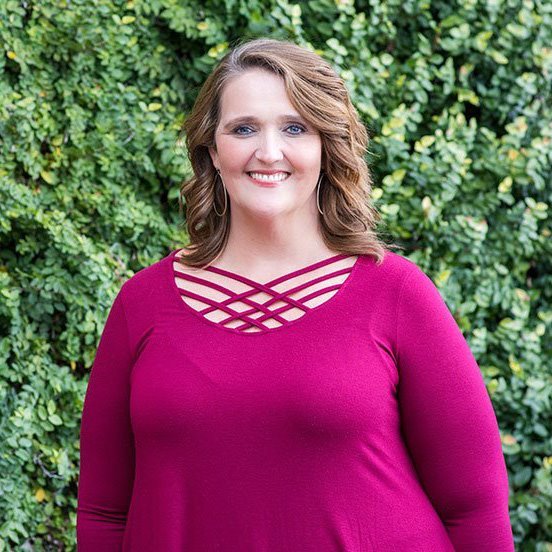
Misty
From a lifetime of unsuccessful dieting to a sustainable, successful outcome, Misty’s story tells of her initial resistance to bariatric surgery to her finally achieving her goals.
Misty's Story
Additional details
-
Am I a candidate?
Bariatric surgery may be right for you if:
- You have a body mass index (BMI) above 27.5
- You are 18 or older
Use our BMI calculator below to find out if weight-loss surgery may be the right treatment for you.
BMI calculator
This information is not saved.
-
Initial bariatric surgery consultation
New patient appointments are focused on the individual patient and their health needs and concerns. You will also meet with the bariatric coordinator to discuss insurance-specific requirements for surgery.
Before your appointment, a financial counselor will contact you to discuss your insurance coverage. Bariatric surgery costs may be covered through some insurance plans.
-
What to expect with bariatric surgery
Before surgery
- 3-6 months of preparation *may vary per patient case and patient insurance
- Regular office visits with surgeons, along with nutrition and psychological coordination
- Workups for underlying causes of obesity and complications of obesity, such as sleep apnea (OSA) and gastroesophageal reflux disease (GERD)
- Nutrition education
Around the time of surgery
- Peri-operative visits
- Nutrition education in preparation for surgery
- Up to two nights in the hospital
After surgery
- Nutrition education and instructions post-surgery
- Follow-up visit(s) with the bariatric surgeon
- Improvements in blood glucose, blood pressure, and cholesterol levels due to new weight loss
- Increased energy and activity
- Reduced weight of about 50-100 pounds five years after surgery with maintained diet and exercise
-
Getting started
If you are interested in bariatric surgery, please call 512-421-4408. After your appointment is scheduled, our bariatric coordinator will send a video link via ARC MyChart that includes standard information about bariatric surgery. Before your appointment, a financial counselor will contact you to discuss your insurance coverage. Bariatric surgery costs may be covered through some insurance plans.